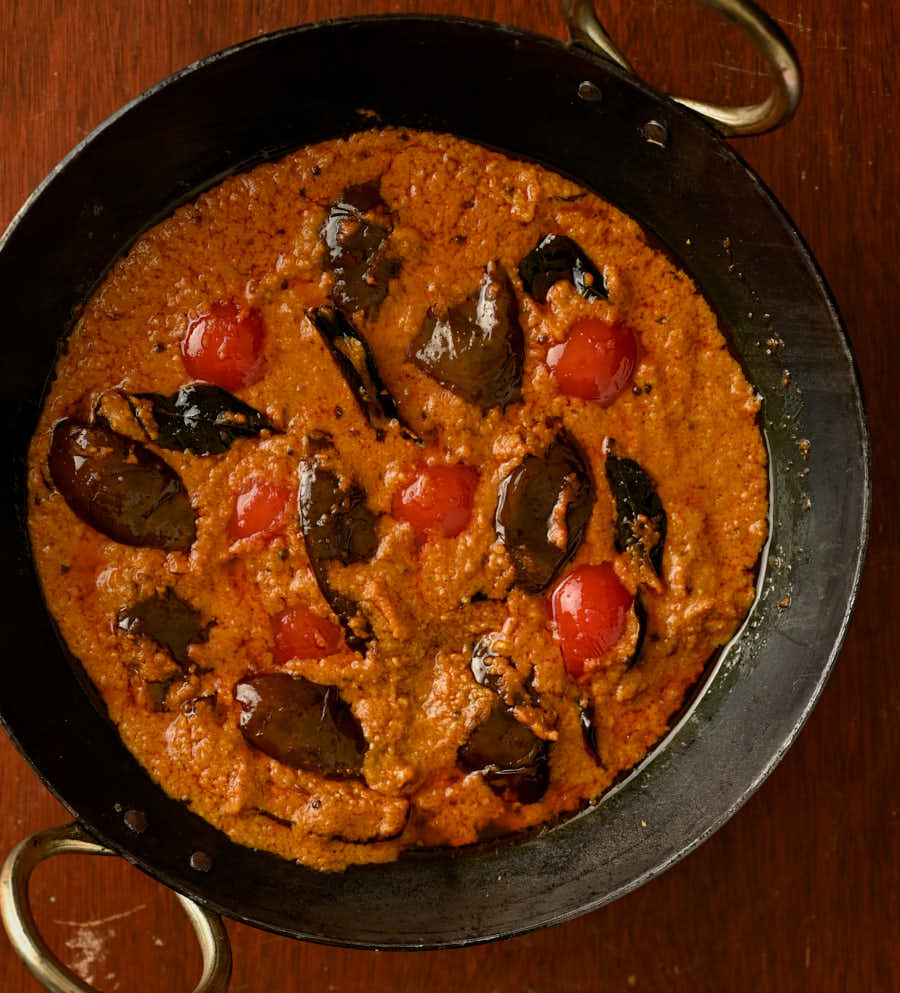
Secrets to Perfect Hotel Style Bagara Baingan Curry: Unlocking Restaurant Flavors at Home
There's a certain magic that surrounds dishes served in high-end Indian restaurants and hotels. The aroma, the texture, and the depth of flavor often seem inimitable. Among these culinary masterpieces, Bagara Baingan stands out – a rich, tangy, and subtly spicy Hyderabadi eggplant curry that captivates palates worldwide. But how do you replicate that authentic bagara baingan indian hotel style eggplant curry experience in your own kitchen? It's not as daunting as it seems. This comprehensive guide will reveal the secrets behind creating a hotel-quality Bagara Baingan, transforming your home cooking into a gourmet delight.
Bagara Baingan is more than just an eggplant curry; it's a symphony of roasted spices, peanuts, sesame seeds, coconut, and tamarind, all harmoniously blended with tender baby eggplants. The "hotel style" designation implies a level of perfection in texture, balance, and presentation that elevates it beyond a simple home-cooked meal. By focusing on quality ingredients, precise techniques, and a touch of patience, you can bring the luxurious taste of this classic dish right to your dining table.
The Essence of Bagara Baingan: A Culinary Jewel
Originating from the royal kitchens of Hyderabad, Bagara Baingan is a staple in Nizami cuisine, known for its rich and aromatic dishes. The term "Bagara" refers to the tempering process, while "Baingan" is the Hindi word for eggplant. What sets this curry apart is its unique spice paste, which forms the creamy, flavorful base. Unlike many other Indian curries that rely heavily on tomato or onion purees, Bagara Baingan derives its body and nutty flavor from a blend of roasted seeds and nuts.
The choice of eggplant is crucial for an authentic bagara baingan indian hotel style eggplant curry. Small, tender, purple eggplants (often called brinjal or aubergine) are preferred because they cook quickly, absorb flavors beautifully, and have fewer seeds. These tiny gems are typically slit partway through and sometimes lightly fried before being simmered in the luxurious, tangy gravy. The resulting dish is a testament to the intricate balance of sweet, sour, spicy, and savory notes that define Hyderabadi cooking. It pairs perfectly with biryani, pulao, roti, or even steamed rice, making it a versatile and beloved vegetarian curry.
Unlocking Hotel Style Flavors: Key Ingredients and Techniques
Achieving the distinctive "hotel style" flavor in your Bagara Baingan requires attention to detail, particularly in selecting ingredients and executing the preparation. This isn't just about throwing ingredients into a pot; it's about building layers of flavor that create a truly unforgettable experience.
1. The Perfect Eggplant Selection
- Size and Type: Always opt for small, tender, purple or green eggplants (about 2-3 inches long). Larger eggplants can be bitter and fibrous.
- Freshness: Look for firm, shiny eggplants with taut skin and fresh green caps. Avoid any with blemishes or soft spots.
- Preparation: Slit each eggplant into a cross, leaving the stem intact. This allows the gravy to penetrate deeply while keeping the eggplant whole. Some chefs lightly shallow-fry or deep-fry the eggplants before adding them to the curry, which adds a beautiful char and prevents them from becoming mushy. This step is key to the bagara baingan indian hotel style eggplant curry's texture.
2. The Signature Spice Paste: Heart of the Curry
This paste is the true secret weapon. It provides the curry with its creamy texture, nutty aroma, and complex flavor profile. For an Authentic Hotel Style Bagara Baingan Eggplant Curry, you'll need:
- Peanuts: Roasted to perfection for a rich, nutty base.
- Sesame Seeds (Til): White sesame seeds add a delicate nuttiness and help thicken the gravy.
- Dry Coconut (Khopra): Desiccated or fresh grated coconut, lightly roasted, contributes sweetness and body.
- Whole Spices: Cumin seeds, coriander seeds, fenugreek seeds, and mustard seeds – roasted until fragrant to release their essential oils.
- Aromatics: Fresh ginger, garlic, and green chilies for heat and pungency.
Technique Tip: Roasting each ingredient separately (peanuts, sesame, coconut, and whole spices) until just fragrant, not burnt, is crucial. This step brings out their individual flavors and aromas, which then meld beautifully when ground into a smooth paste with the aromatics and a little water.
3. The Tangy Element: Tamarind
Tamarind pulp provides the characteristic sourness that balances the richness of the spice paste. Always use fresh tamarind pulp soaked in warm water and strained, or good quality store-bought tamarind concentrate diluted to taste. The tartness cuts through the richness, making the curry incredibly palatable.
4. The Tempering (Bagara)
This final flavor infusion involves heating oil and adding whole spices like mustard seeds, fenugreek seeds, cumin seeds, and curry leaves. When they crackle and release their aroma, they infuse the oil with a distinct fragrance, which forms the base of the curry. A touch of asafoetida (hing) often adds an extra layer of savory depth.
Crafting Your Restaurant-Quality Bagara Baingan at Home
Now, let's put it all together to recreate that authentic bagara baingan indian hotel style eggplant curry experience. Patience and attention to the cooking stages are vital.
- Prepare the Eggplants: Wash the small eggplants thoroughly. Slit each eggplant into a cross from the bottom, stopping about half an inch before the stem. Keep the stems intact. If desired, lightly shallow-fry the eggplants in a little oil until they are slightly tender and have a light char. Set aside.
- Roast and Grind the Paste:
- In a dry pan, lightly roast peanuts until fragrant. Remove and set aside.
- Separately roast sesame seeds until they start to pop. Remove.
- Roast dry coconut until golden. Remove.
- In the same pan, lightly roast coriander seeds, cumin seeds, fenugreek seeds, and mustard seeds until aromatic.
- Combine all roasted ingredients with chopped ginger, garlic, and green chilies. Add a little water and grind into a very smooth, fine paste. The smoothness of this paste is key to the hotel-style texture.
- Prepare the Tamarind Pulp: Soak a small lime-sized ball of tamarind in half a cup of warm water for 15-20 minutes. Squeeze out the pulp and strain to remove any fibers.
- Begin the Curry Base:
- In a heavy-bottomed pan or kadai, heat 2-3 tablespoons of oil.
- Add mustard seeds, fenugreek seeds, cumin seeds, and a pinch of asafoetida. Let them splutter. Add fresh curry leaves and sauté briefly.
- Add finely chopped onions (if using, though traditional Bagara Baingan often minimizes onion) and sauté until golden brown.
- Stir in the prepared spice paste. Cook on medium-low heat, stirring continuously, until the paste turns a darker color and oil starts to separate from the sides (this could take 10-15 minutes). This step is critical for flavor development.
- Add red chili powder, turmeric powder, and salt. Sauté for another minute.
- Simmer to Perfection:
- Pour in the tamarind pulp and about 1-1.5 cups of water. Bring the gravy to a gentle simmer. Adjust consistency as desired – a hotel-style curry is usually thick but pourable.
- Carefully add the prepared (fried or raw) eggplants to the simmering gravy.
- Cover the pan and cook on low heat for 15-20 minutes, or until the eggplants are fork-tender and have absorbed the rich flavors of the gravy. Stir gently occasionally to prevent sticking.
- Garnish and Serve: Finish with a generous sprinkle of fresh chopped coriander leaves. For more detailed instructions on achieving perfection, you might find more tips on how to Recreate Restaurant Quality Bagara Baingan at Home.
Essential Tips for an Unforgettable Bagara Baingan
- Don't Skimp on Roasting: The separate roasting of each spice and nut for the paste is non-negotiable for that deep, complex flavor.
- Slow Cook is Key: Allow the gravy to simmer slowly. This gives the eggplants time to absorb the flavors and for the gravy to thicken naturally, developing a beautiful sheen.
- Balance is Everything: Taste and adjust the salt, spice, and tamarind sourness throughout the cooking process. A perfect Bagara Baingan has a harmonious balance of these elements.
- Fresh Curry Leaves: These fragrant leaves are indispensable for the authentic aroma and taste.
- A Touch of Jaggery or Sugar: A tiny pinch of jaggery or sugar can help balance the flavors, especially if your tamarind is very sour.
- Rest Before Serving: Like many curries, Bagara Baingan often tastes even better the next day, as the flavors have more time to meld and deepen.
This exquisite bagara baingan indian hotel style eggplant curry is a labor of love, but every step is worth the effort when you taste the incredibly rich and satisfying result. Whether you're a seasoned chef or an adventurous home cook, mastering this dish will undoubtedly earn you rave reviews.
Conclusion
Crafting the perfect bagara baingan indian hotel style eggplant curry is a rewarding culinary journey. By understanding the importance of quality ingredients, meticulous spice preparation, and patient simmering, you can recreate the magic of fine Indian dining in your own home. This dish isn't just about cooking; it's about experiencing the rich heritage and intricate flavors of Hyderabadi cuisine. So gather your ingredients, follow these secrets, and prepare to impress your family and friends with an eggplant curry that tastes like it came straight from a five-star hotel kitchen. Happy cooking!
